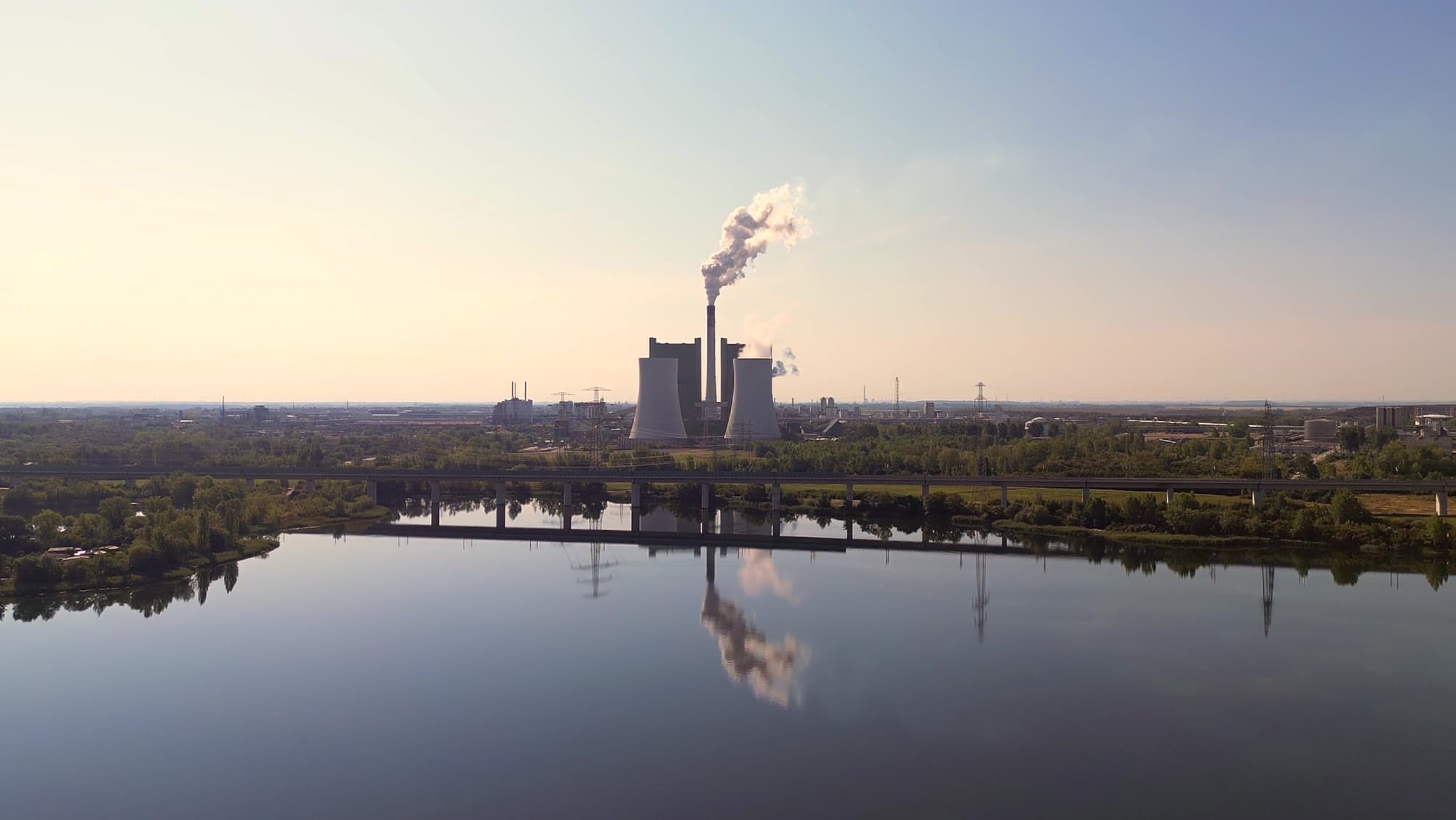
The case for building power in Sub-Saharan Africa does not need making. The International Energy Agency estimates that around 600 million people in the region — close to half its population — still lived without electricity access in 2024. Solar, wind and hydro resources are abundant, equipment costs have fallen, and there is no shortage of developers with sites and ambitions. Yet many well-conceived projects never reach financial close. When they stall, the reason is very often the same: the buyer of the power cannot convince lenders it will pay.
Why the buyer matters more than the plant
An independent power producer typically sells its output under a long-term power purchase agreement to a single offtaker, most often the national utility. Lenders size their debt against that revenue stream, which means they are, in effect, taking a view on the utility’s ability to pay every month for fifteen or twenty years. The quality of the solar panels or turbines is a solvable technical question. The creditworthiness of the offtaker is a financial one, and in many markets it is the binding constraint.
A power purchase agreement on its own is rarely enough. The question is what stands behind it.
Utilities in the region frequently sell power below the cost of supplying it, collect only part of what they bill, and depend on government transfers to close the gap. None of this is unusual or a reason to avoid the sector, but it means a power purchase agreement on its own is rarely enough. The question lenders ask is what stands behind it.
The layers of support
The first layer is contractual. A well-drafted power purchase agreement uses a take-or-pay or deemed-energy structure, so the project is paid for the power it makes available even when the grid cannot take it, and it sets out what happens, and what is owed, if the agreement is terminated early.
The second layer addresses short-term payment delays, which are the most common problem in practice. Liquidity support covers a set number of months of invoices if the utility pays late, so that debt service is not interrupted while the arrears are resolved. The Regional Liquidity Support Facility run by African Trade & Investment Development Insurance, launched with KfW in 2017, is a well-known example: it provides a revolving guarantee of up to twelve months of an independent power producer’s invoices to a state utility.
The third layer addresses longer-term and political risks. A government support agreement can commit the state to stand behind the utility’s obligations, and political risk insurance from institutions such as MIGA, part of the World Bank Group, or ATIDI can protect investors and lenders against events such as expropriation, breach of contract by the state, and currency inconvertibility. Partial risk guarantees from the World Bank or the African Development Bank can play a similar role for lenders.
What this means for sponsors
For a sponsor, the practical lesson is to design for the offtaker from the start. Understanding the utility’s payment record, the state’s appetite to provide support, and which liquidity and risk instruments are available in that market will shape the tariff, the contract terms and the capital that can be raised. A project that arrives in front of lenders with this work done is having a different conversation from one that arrives with only a signed agreement.
For investors, the offtaker question is also where much of the opportunity lies. Markets that have reformed their utilities, cleared arrears or put credible support structures in place can move quickly from difficult to financeable. Knowing which ones have done so — and which are only promising to — is the kind of judgement that separates a screened pipeline from a list of projects.
A larger push, the same constraint
Mission 300, the initiative led by the World Bank Group and the African Development Bank to connect 300 million people in Africa to electricity by 2030, aims to reach roughly half of them through expanded grids and the rest through mini-grids and off-grid solar. Its emphasis on national energy compacts and utility reform is, in part, an effort to fix the offtaker problem at its source. Until that work is complete, the structure around each individual power purchase agreement will continue to decide which projects are built.