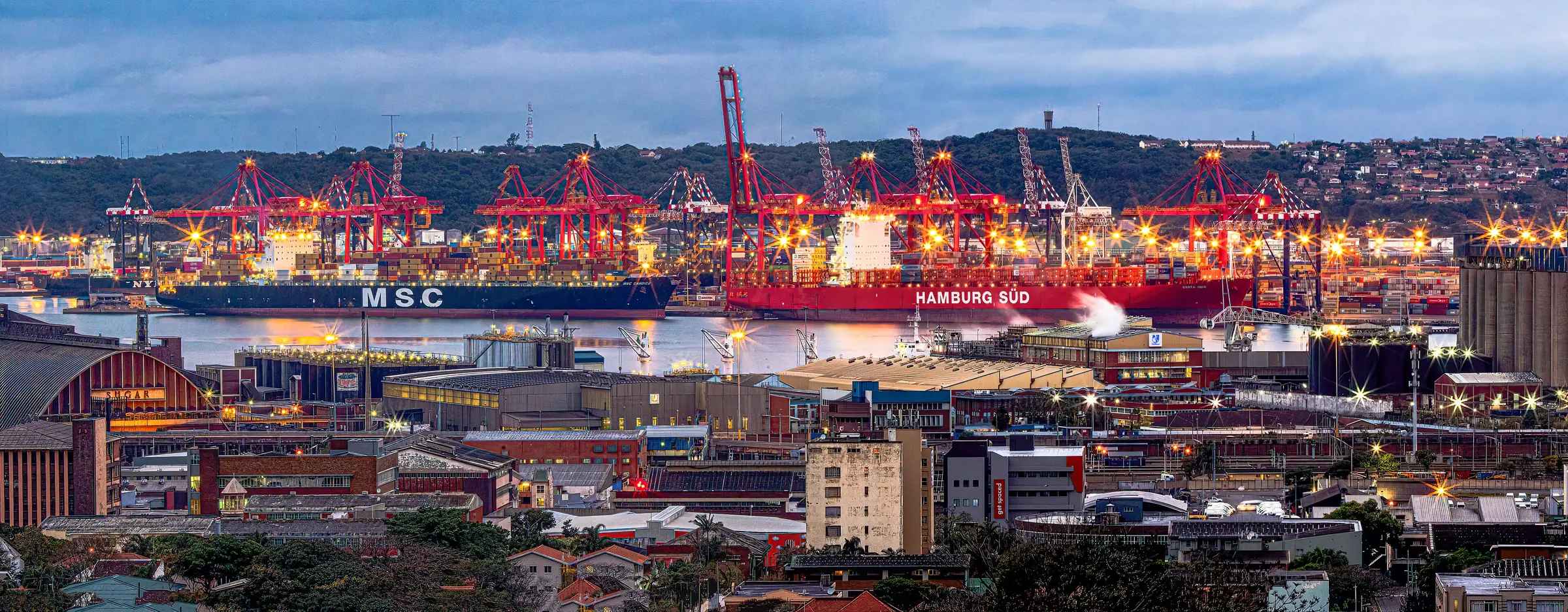
01 / What we do
What we do
We introduce investors to project owners and financing seekers, and coordinate the process between submission and introduction. We hold assets in safekeeping only when a party asks us to, we do not give investment advice, and we do not guarantee any outcome.
02 / Deal types
Deal types and instruments
Krestline Group focuses on pan-African infrastructure and energy project finance — typically equity, debt, mezzanine, or structured project finance for bankable infrastructure and energy assets across the continent, with deal sizes from $5M to $50M.
- Deal size
- $5M–$50M
- Region
- Pan-African
- Sectors
- Energy, transport, water, agriculture
- Instruments
- Equity, debt, mezzanine, structured
03 / Sectors
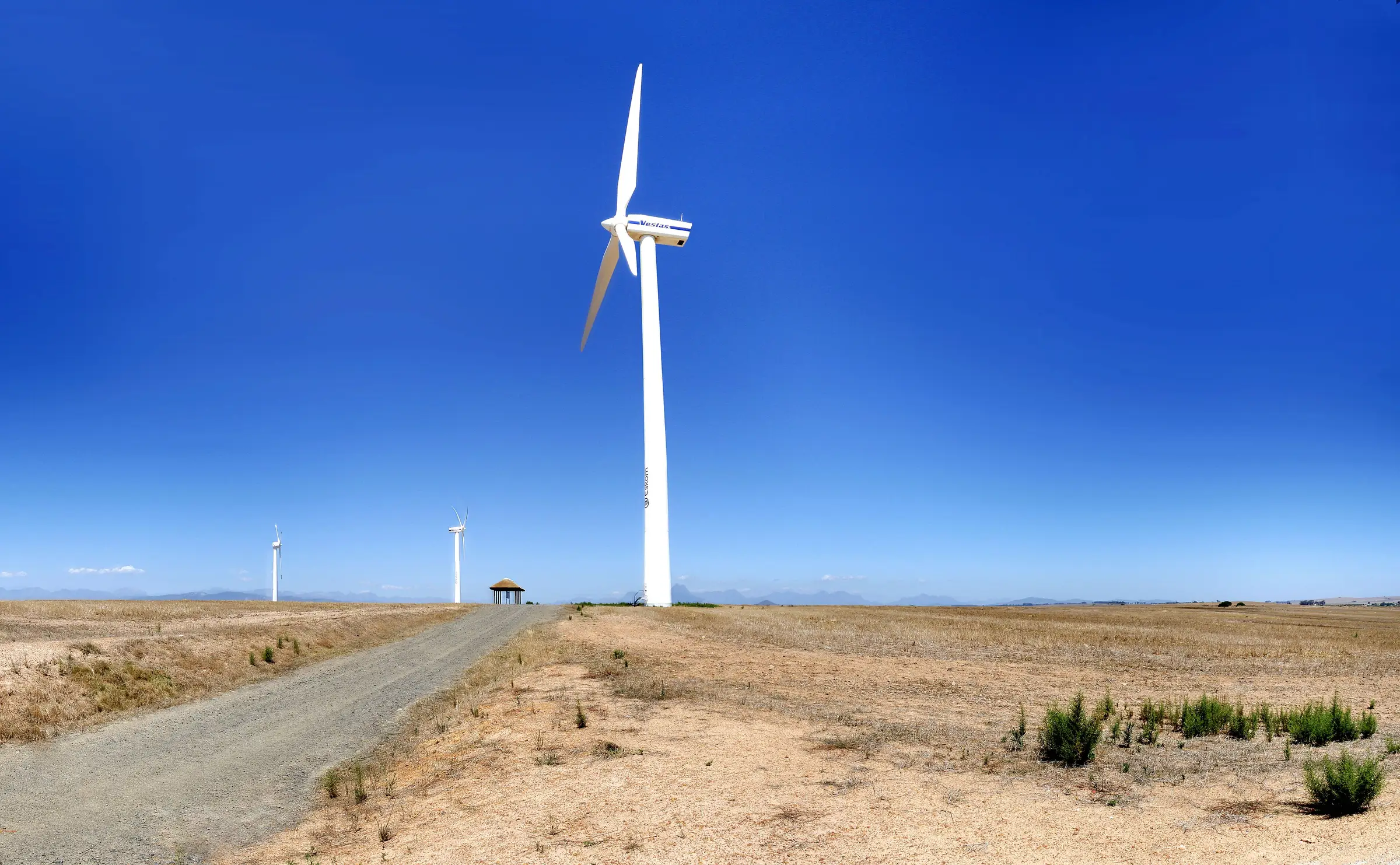
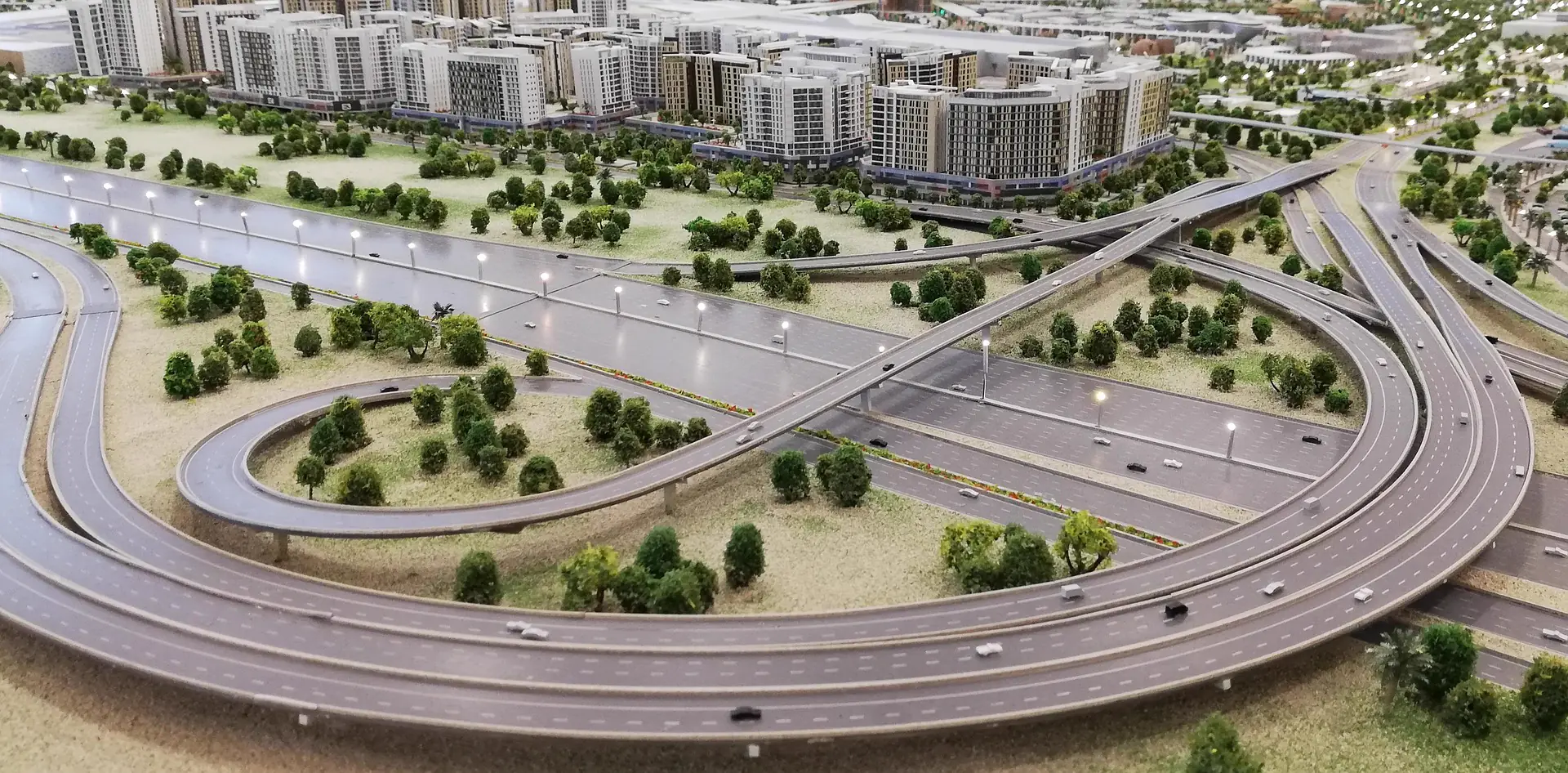
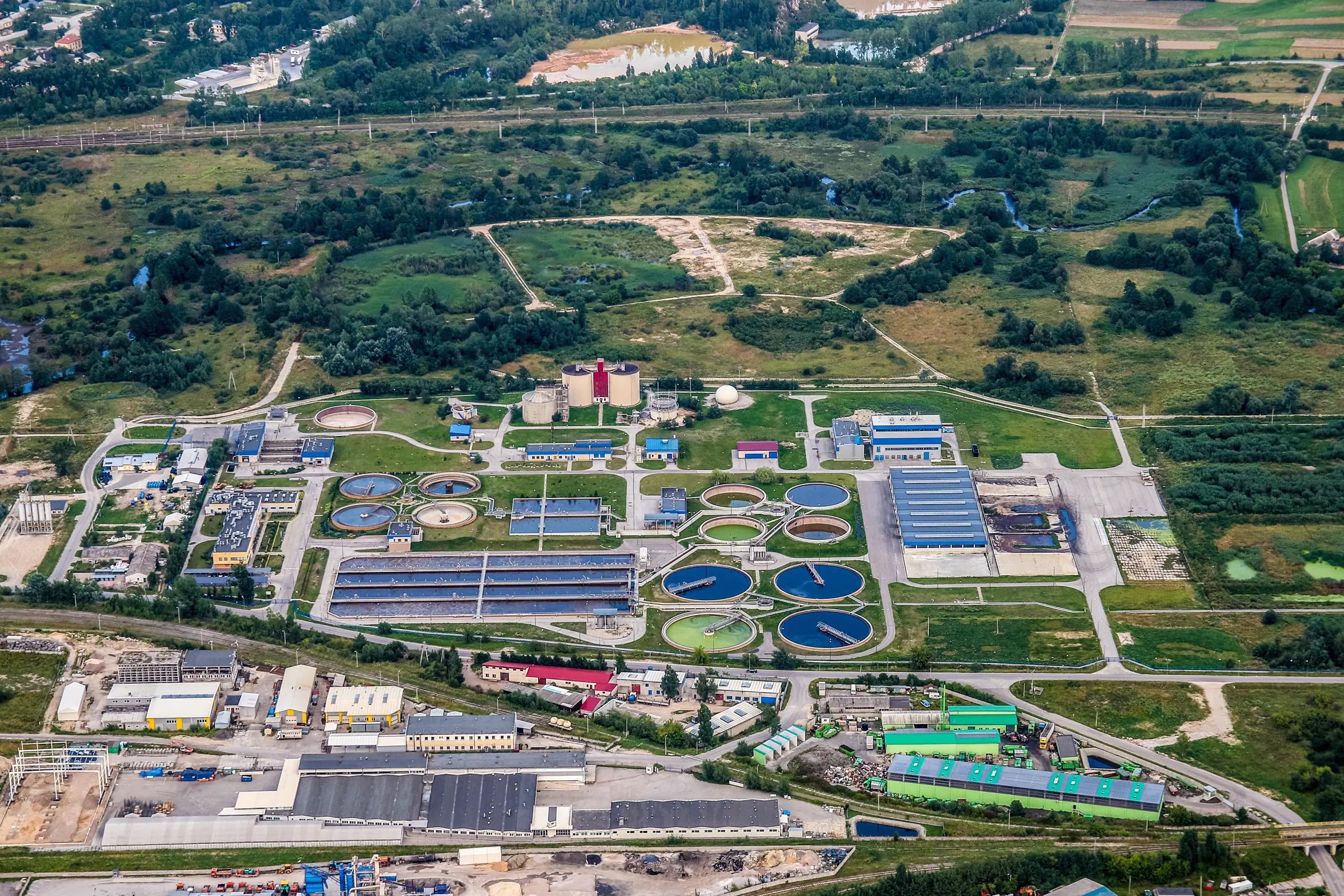
The sectors we know
Each sector has its own route to financial close. These are the questions we work through with sponsors before an investor ever sees the file.

04 / Project stages
Where in a project’s life we work
Capital looks different at each stage — so do the investors who provide it.
- 01
Development
Development equity, often from specialist developers or DFI-backed facilities
Feasibility, permits, land and early contracts. The highest-risk money, priced accordingly.
- 02
Financial close & construction
Senior and mezzanine debt alongside sponsor equity
Signed contracts, a lender-grade financial model, due diligence reports and a fixed-price EPC contract.
- 03
Operation
Refinancing, acquisition or expansion capital
Operating history, audited accounts and a performance record against the original base case.
05 / Structure
How a project is usually financed
Most infrastructure is financed off the project’s own cash flows, not the sponsor’s balance sheet. A typical structure has three layers.
- Senior debt
- 60–75%
- Often led or anchored by development finance institutions, with commercial banks alongside. Repaid first.
- Mezzanine or subordinated debt
- 0–15%
- Fills the gap between what senior lenders will lend and what sponsors can contribute. Higher return for higher risk.
- Sponsor equity
- 20–35%
- The developer’s own capital, sometimes shared with an equity co-investor. Paid last, and gains the most.
Illustrative ranges only. The right structure depends on the sector, the offtaker, the currency and the lenders involved.
06 / Boundaries
What we don't do
We do not move funds between investors and project owners. Assets deposited with us for safekeeping are returned only to the depositor.
We do not provide investment advice or a recommendation to invest.
We do not guarantee that any introduction results in a transaction, or any particular return.
Decision-making authority always rests with the parties, not with us.
— Next step
Start with the route that fits you.
Investors register a mandate; project owners submit an opportunity. Every submission is reviewed by a person before anything moves forward.